
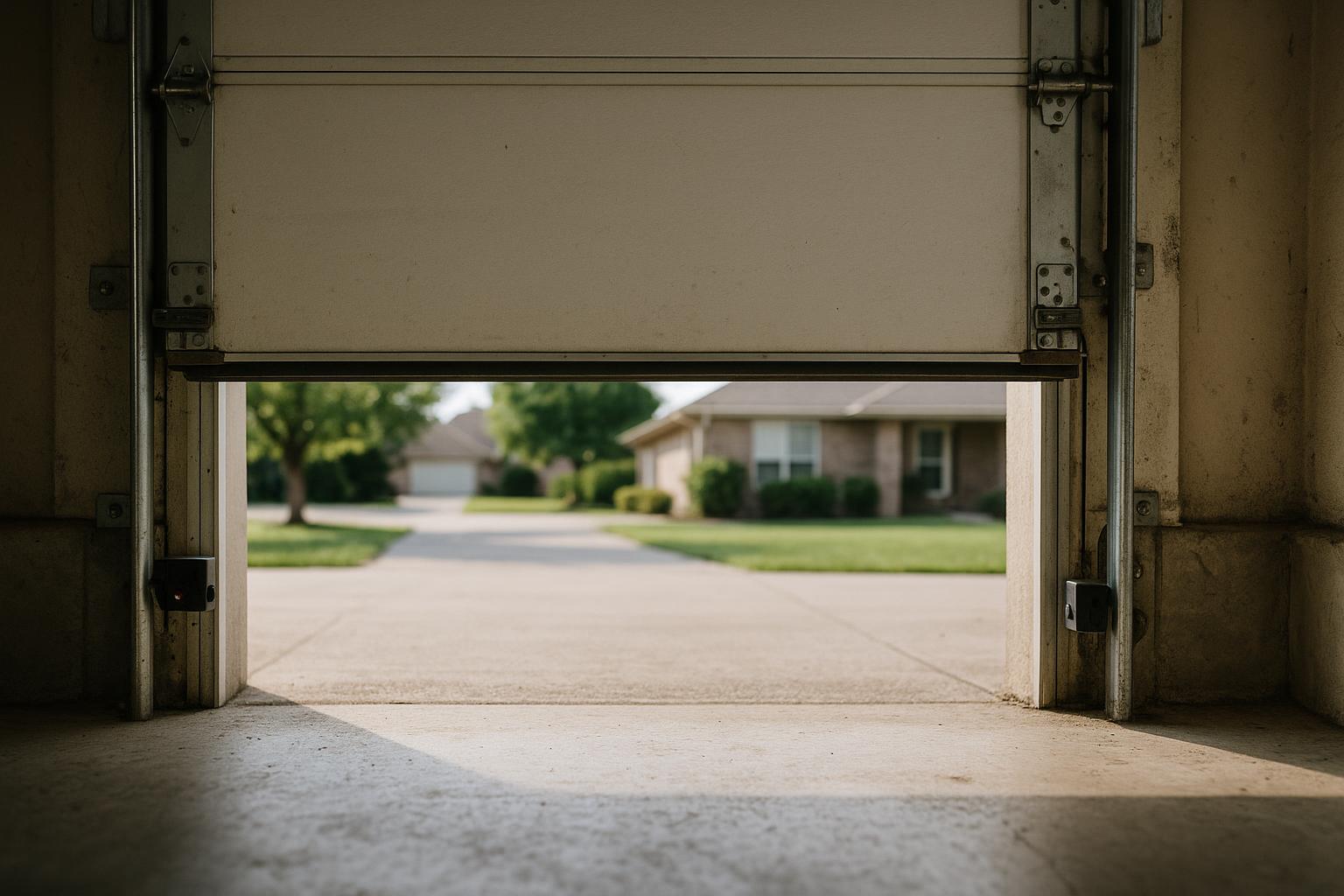
That Frustrating Moment When Your Garage Door Won't Stay Closed
You press the button on your remote, the garage door starts its descent, and then — just before it reaches the floor — it reverses and goes right back up. You try again. Same thing. Maybe it gets a little closer to the ground this time, or maybe it reverses even sooner. Either way, your garage is wide open and you're running late.
This is one of the most common garage door complaints we hear from homeowners in Round Lake Beach, and the good news is that it's usually fixable. The bad news? Ignoring it can lead to security risks, energy loss, and further damage to your garage door system. Let's walk through the most likely causes and what you can do about each one.
Understanding Why Garage Doors Reverse
Modern garage door openers are equipped with safety features mandated by federal law since 1993. Two of the most important are the auto-reverse mechanism and the photoelectric safety sensors. These features exist to prevent the door from closing on a person, pet, or object. When something triggers these safety systems — even falsely — the door will reverse direction.
So when your door reverses unexpectedly, it's almost always related to one of these safety systems, a mechanical issue, or an adjustment problem. Here are the most common culprits.
1. Misaligned Safety Sensors
The photoelectric sensors sit near the bottom of your garage door tracks, one on each side. They send an invisible beam across the doorway, and if anything breaks that beam while the door is closing, the opener reverses the door immediately.
Over time, these sensors can get bumped, shifted by vibration, or knocked out of alignment by a stray bicycle or trash can. When they're misaligned, the opener thinks something is in the way — even when the path is completely clear.
What to check:
- Look at the LED lights on each sensor. Most models show a steady green light on one sensor and a steady amber or green light on the other when properly aligned. A blinking light usually means misalignment.
- Gently adjust the sensors until both lights are solid and steady.
- Make sure nothing is blocking the beam path — cobwebs, dirt, or debris on the sensor lenses are surprisingly common, especially here in Lake County where seasonal changes bring dust and pollen.
2. Dirty or Obstructed Sensor Lenses
Even if your sensors are perfectly aligned, a layer of grime on the lens can weaken the beam enough to cause intermittent reversing. This is especially common in spring and fall when pollen, leaves, and moisture accumulate in garages.
What to do:
- Wipe both sensor lenses with a soft, dry cloth.
- Avoid using harsh chemicals that could scratch or cloud the lens.
- Check for spider webs, which are a frequent offender in garages throughout Round Lake Beach and surrounding communities like Hainesville and Lake Villa.
3. Incorrect Close-Force or Travel-Limit Settings
Your garage door opener has adjustable settings that control how far the door travels and how much force it uses to close. If the close-limit setting is off, the opener may think the door has hit an obstruction when it actually just reached the floor. The opener interprets the resistance as a safety issue and reverses.
Similarly, if the close-force setting is too low, the opener doesn't push hard enough to fully close the door, encounters slight resistance from the weatherstripping or floor seal, and reverses.
What to do:
- Consult your opener's manual for instructions on adjusting the travel limits and force settings. These are usually controlled by small dials or screws on the back or side of the motor unit.
- Make small adjustments — a quarter turn at a time — and test the door after each change.
- If you're not comfortable making these adjustments yourself, this is a quick fix for a trained technician.
4. Damaged or Worn Tracks
If your garage door tracks are bent, dented, or have accumulated rust and debris, the door can bind or stick as it moves. When the opener senses this extra resistance during closing, it may interpret it as an obstruction and reverse.
Signs of track problems:
- Visible bends or dents in the metal tracks
- The door seems to hesitate or jerk at certain points during travel
- You hear scraping or grinding sounds
Track issues are best handled by a professional because attempting to bend tracks back into shape without the right tools can make the problem worse or create a safety hazard.
5. Broken or Worn Rollers
Garage door rollers allow the door to glide smoothly along the tracks. When rollers crack, chip, or wear flat, they create friction and resistance. Just like with track damage, the opener may sense this resistance and reverse the door as a precaution.
Nylon rollers tend to last longer and run more quietly than steel rollers, and they're a popular upgrade we recommend to homeowners in Grayslake, Mundelein, and throughout the Round Lake area.
6. Issues With the Garage Door Itself
Sometimes the problem isn't the opener at all — it's the door. A warped panel, broken hinge, or deteriorating weatherstripping along the bottom edge can all create enough resistance to trigger a reversal. In our cold Illinois winters, weatherstripping can freeze to the garage floor, and the opener may reverse when it encounters that frozen seal.
Winter tip:
If your door reverses on a cold morning, check whether the bottom seal has frozen to the concrete. Gently breaking the seal free and applying a silicone-based lubricant can prevent this from recurring.
7. Wiring Problems
Less common but still worth mentioning: damaged or frayed wiring between the opener and the safety sensors can cause erratic behavior, including unexpected reversals. Rodents, moisture, and general wear can all compromise wiring over time. If you've checked everything else and the problem persists, a wiring inspection may be in order.
When to Call a Professional
Some of these fixes — cleaning sensors, checking alignment, clearing debris — are simple enough for most homeowners to handle. But if you've gone through the basics and your garage door is still reversing, it's time to bring in a professional. Continuing to override safety features or forcing the door closed can lead to more expensive repairs or even injury.
At Round Lake Beach Garage Door, we diagnose reversal issues quickly because we've seen them hundreds of times. Whether it's a sensor alignment, a force adjustment, a roller replacement, or something more involved, we'll identify the root cause and get your door closing properly again.
Don't Leave Your Garage Wide Open
A garage door that won't close is more than an inconvenience — it's a security vulnerability and an invitation for weather, pests, and intruders. If your door has been reversing and you can't pinpoint the cause, give us a call. We serve homeowners throughout Round Lake Beach, Round Lake, Grayslake, Mundelein, Hainesville, and Lake Villa with prompt, honest garage door service. We'll get it sorted so you can get back to your day.